When Is the Best Time to Build a Deck in Minnesota?
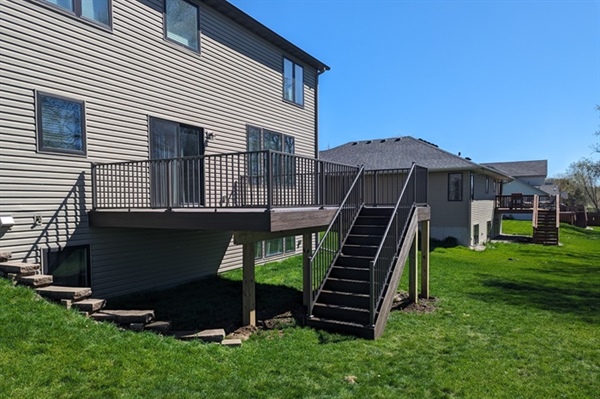
Planning a deck project in Minnesota involves more than picking a design and materials. Climate patterns, seasonal ground conditions, and construction timelines all play a role in determining when a deck can be built correctly and efficiently. Homeowners often discover that the timing of a deck project can affect everything from structural stability to material performance and overall project duration. Understanding when conditions are most favorable helps reduce delays, limits weather-related complications, and supports long-term durability.
For homeowners researching decks, questions often center on weather impacts, seasonal advantages, permitting schedules, material behavior, and contractor availability. Steve Gentry Construction frequently addresses these concerns by explaining how Minnesota’s seasons influence outdoor construction planning. The sections below explore how seasonal weather affects deck construction, the benefits and drawbacks of building in different parts of the year, how permits and inspections factor into timelines, how materials respond to seasonal installation, and how scheduling and costs shift throughout the year.
How Minnesota’s Seasonal Weather Affects Deck Construction Quality and Timing
Minnesota’s climate presents unique challenges for deck construction due to wide temperature swings, heavy precipitation, and repeated freeze–thaw cycles. Soil expansion and contraction during winter and early spring can affect footing stability if construction begins before the ground has fully thawed. Cold temperatures also slow curing times for concrete footings, which can delay framing and reduce structural consistency if not properly managed.
Precipitation patterns play an equally important role. Spring rainfall and snowmelt can oversaturate soil, making excavation difficult and increasing the risk of shifting footings. Summer storms can interrupt construction schedules but typically allow for faster drying times between weather events. Fall conditions often provide lower humidity and steadier temperatures, which can help maintain predictable timelines for framing and finishing.
Freeze–thaw cycles are one of the most critical factors affecting long-term deck performance. Improperly installed footings during unstable ground conditions may heave over time, leading to uneven surfaces and structural stress. Builders familiar with Minnesota conditions plan construction windows carefully and adjust techniques to account for soil moisture, temperature thresholds, and weather-related work stoppages common to outdoor projects like decks.
Pros and Cons of Building a Deck in Spring, Summer, Fall, and Winter in Minnesota
Each season in Minnesota offers distinct advantages and limitations for deck construction. Spring allows homeowners to prepare outdoor spaces ahead of peak summer use, but lingering frost and wet soil can slow early stages of construction. Scheduling flexibility may be limited as contractors manage a surge in demand following winter.
Summer provides consistent temperatures and longer daylight hours, which often leads to faster build times. However, this season also brings higher demand for deck projects, which can increase lead times and reduce scheduling flexibility. Heat can affect material handling, especially with composite products that expand more noticeably in direct sunlight.
Fall is often considered a stable construction period due to cooler temperatures, reduced rainfall, and fewer scheduling conflicts. Winter construction is possible in limited circumstances but introduces challenges related to frozen ground, snow removal, and shortened workdays. Structural work requiring excavation is rarely recommended once frost penetrates the soil.
Permit Timing and Local Regulations That Affect Deck Construction Start Dates
Deck construction in Minnesota requires adherence to local building codes and permitting processes, which can influence when a project begins. Permit approval timelines vary by municipality and tend to lengthen during peak construction seasons when inspection departments face higher workloads. Missing permit approvals can delay excavation, framing, or final inspections.
Seasonal demand affects inspection scheduling as well. Spring and summer often bring longer wait times for footing and framing inspections, while fall may offer slightly faster turnaround. Winter inspections are sometimes limited by weather access and safety considerations, especially for exterior projects.
Homeowners benefit from understanding that permit timing should be factored into seasonal planning. Submitting applications during lower-demand periods can help align construction starts with favorable weather conditions while avoiding administrative delays that impact project timelines.
Deck Material Performance Based on Installation Season
Decking materials respond differently depending on when they are installed. Pressure-treated lumber contains higher moisture levels and naturally shrinks as it dries, making installation timing important for spacing and fastening. Spring and summer installations allow lumber to dry gradually, while cold-weather installs may delay this process.
Composite decking materials expand and contract with temperature changes. Installing composite boards during extreme heat or cold requires precise spacing adjustments to prevent buckling or gapping later. Manufacturers provide installation guidelines tied closely to ambient temperature at the time of installation.
PVC decking offers greater moisture resistance and less expansion than wood-based products, but cold temperatures can make boards more rigid and difficult to cut. Matching material selection to the installation season helps maintain consistent board alignment, fastening integrity, and long-term surface performance.
How Contractor Availability, Scheduling, and Costs Change by Season
Demand for deck builders in Minnesota fluctuates throughout the year, directly affecting scheduling and pricing. Spring and early summer typically see the highest volume of inquiries as homeowners prepare for outdoor use. This demand can extend lead times and limit date flexibility for new projects.
During peak season, material suppliers and subcontractors also experience increased workloads, which may influence delivery schedules and labor availability. Fall often provides improved scheduling options as demand tapers, while winter projects may benefit from greater availability but face weather-related constraints.
Understanding seasonal demand patterns helps homeowners plan efficiently and set realistic expectations. Reviewing timelines and availability with experienced professionals such as Steve Gentry Construction provides insight into how seasonal conditions impact project coordination and overall construction flow.
Planning Your Deck Project with Experienced Local Builders
Building a deck that performs well year after year requires careful timing, proper material selection, and a clear understanding of Minnesota’s construction environment. Steve Gentry Construction works with homeowners to navigate seasonal weather considerations, permitting requirements, material performance factors, and scheduling realities specific to Rochester and surrounding communities.
Steve Gentry Construction provides guidance throughout the planning and construction process, helping homeowners align project timelines with favorable conditions. For questions about deck planning, seasonal scheduling, or project coordination, contact the team at 507-208-4501 or visit their contact us page to start the conversation.