What Roofing Problems Are Most Common After Rochester’s Freeze–Thaw Cycles?
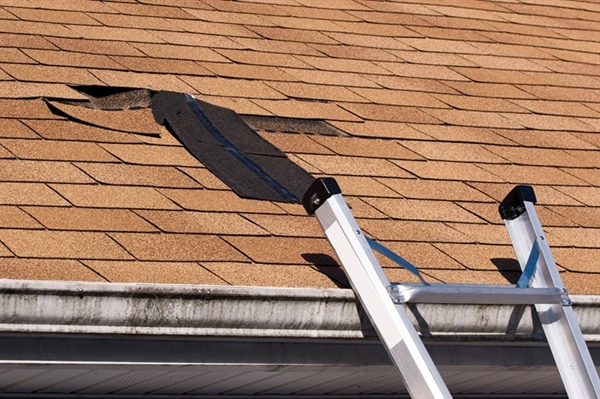
Rochester homeowners are no strangers to dramatic temperature swings, especially during late winter and early spring. One day brings freezing conditions, and the next introduces melting snow and ice. These repeated freeze–thaw cycles put significant stress on roofing systems, often leading to hidden damage that develops over time. Small cracks, trapped moisture, and expanding ice can quietly compromise the integrity of a roof, eventually resulting in leaks, structural issues, and costly roof repairs if not addressed early.
Understanding how these conditions affect your roof is critical for protecting your home. From water intrusion and weakened materials to the formation of ice dams and visible shingle deterioration, the effects are both widespread and progressive. In this article, we’ll break down the most common roofing problems caused by freeze–thaw cycles, including how leaks develop, which materials are most vulnerable, and the warning signs homeowners should watch for. Drawing on insights consistent with the standards followed by Steve Gentry Construction, we’ll also explore how these issues relate to long-term roof performance and why proper roofing knowledge is essential for homeowners in Rochester.
How Freeze–Thaw Cycles Lead to Roof Leaks and Water Intrusion
Freeze–thaw cycles create a repeating pattern of expansion and contraction that directly impacts roofing materials. When snow or ice melts during warmer daytime temperatures, water seeps into small cracks, seams, and vulnerable areas of the roof. As temperatures drop again, that trapped water freezes and expands by approximately 9%, forcing those openings to widen. Over time, this process weakens shingles, flashing, and underlayment, creating clear pathways for water intrusion.
Water intrusion often begins subtly. Moisture may penetrate beneath shingles and reach the roof deck, where it can compromise wood structures and insulation. In climates like Rochester, where these cycles can occur dozens of times in a single season, the cumulative effect is significant. Roofing systems that initially appear intact may develop hidden vulnerabilities, allowing water to travel laterally before becoming visible inside the home as stains or leaks.
Repeated freeze–thaw stress also impacts sealants and flashing around chimneys, vents, and valleys. These areas are designed to prevent water entry, but once compromised, they become common leak points. Understanding these mechanisms helps explain why regular inspection and maintenance of roofing systems is critical in cold-weather climates where moisture and temperature fluctuations are constant.
Roofing Materials Most Vulnerable to Freeze–Thaw Damage in Rochester
Not all roofing materials respond the same way to freeze–thaw cycles. Asphalt shingles, one of the most common roofing materials in Rochester, are particularly susceptible due to their layered composition. When exposed to repeated temperature changes, shingles can become brittle, lose granules, and develop microfractures. These weaknesses allow water penetration and accelerate deterioration over time.
Wood shingles and shakes are also highly vulnerable because of their natural porosity. These materials readily absorb moisture, which expands when frozen and leads to splitting or warping. Even treated wood products are not immune to this process, especially when exposed to prolonged freeze–thaw conditions. Metal roofing performs better in many cases, but improper installation or compromised fasteners can still allow moisture infiltration and expansion-related stress.
Clay and concrete tiles may appear durable, but they can crack under repeated freezing conditions if moisture penetrates their surface. Flat roofing membranes are another area of concern, as standing water combined with freezing temperatures can cause membrane separation or blistering. Each material presents different risks, but all are influenced by the same underlying cycle of moisture infiltration and expansion.
Ice Dam Formation and Its Impact on Roof Performance
Ice dams form when melting snow flows down a roof and refreezes at the eaves, creating a barrier that prevents proper drainage. This process is closely tied to freeze–thaw cycles, where fluctuating temperatures cause snow to melt during the day and refreeze at night. Once an ice dam develops, it traps water behind it, forcing that water to back up beneath shingles.
This backed-up water often penetrates areas that are not designed to handle standing moisture. Roofing systems are built to shed water downward, not resist upward or lateral pressure. As a result, water can infiltrate under shingles, saturate the underlayment, and eventually enter the attic or living space. Over time, this leads to insulation damage, wood rot, and interior staining.
The presence of ice dams also adds significant weight and stress to the roof structure. Combined with repeated freezing and thawing, this can accelerate material fatigue and structural strain. In colder regions, ice dams are one of the most common and damaging consequences of inconsistent roof temperatures and inadequate ventilation.
Signs of Shingle Damage After Temperature Fluctuations
After repeated freeze–thaw cycles, shingles often show visible signs of deterioration. One of the most common indicators is granule loss, which exposes the underlying asphalt layer and reduces the shingle’s ability to protect against UV radiation and moisture. Homeowners may notice granules accumulating in gutters or downspouts, signaling that the shingles are wearing down.
Cracking and curling are also key warning signs. As shingles expand and contract with temperature changes, they may develop fractures or begin to curl at the edges. These changes compromise the seal between shingles, allowing water to penetrate more easily. In some cases, shingles may become loose or completely detached, especially after freeze–thaw cycles weaken adhesive bonds.
Discoloration, dark streaks, or uneven surfaces can indicate moisture retention beneath the shingles. These symptoms often point to underlying issues such as trapped water or compromised underlayment. Identifying these signs early is critical, as they often precede more severe damage that affects the roof deck and interior structure.
Preventing Long-Term Structural Damage from Freeze–Thaw Roofing Issues
Preventing structural damage begins with controlling how water interacts with the roof. Proper attic insulation and ventilation play a key role in maintaining consistent roof temperatures, reducing the likelihood of uneven melting and refreezing. When heat escapes from the home, it warms the roof surface, contributing to ice dam formation and increased freeze–thaw stress.
Routine inspections are another essential measure. Identifying minor cracks, damaged flashing, or loose shingles early can prevent moisture from entering the roofing system. Once water infiltrates and undergoes repeated freezing cycles, the damage accelerates and becomes more difficult to repair. Keeping gutters clear also supports proper drainage, reducing the amount of standing water that can freeze.
Material selection and proper installation techniques also influence long-term durability. Roofing systems designed for cold climates often include ice and water barriers, reinforced underlayment, and proper flashing installation. Homeowners seeking professional guidance can reference Steve Gentry Construction for more information on roofing systems suited to freeze–thaw conditions and long-term performance considerations.
Work With a Trusted Local Roofing Contractor
At Steve Gentry Construction, we understand how Rochester’s freeze–thaw cycles affect roofing systems over time. Our team works directly with homeowners to identify early signs of damage, assess material performance, and recommend solutions based on proven construction methods. From addressing water intrusion and ice dam concerns to evaluating shingle integrity, we bring hands-on experience to every project.
Our team focuses on providing clear assessments and reliable roofing solutions that are built for Minnesota’s climate. Whether you’re dealing with visible damage or want a professional inspection after a harsh winter, we are ready to help.
If you have concerns about your roof or want to schedule an inspection, we encourage you to contact us. We take the time to explain what’s happening with your roof and provide practical recommendations based on real conditions.