What Exterior Signs Indicate Water Intrusion Behind Siding?
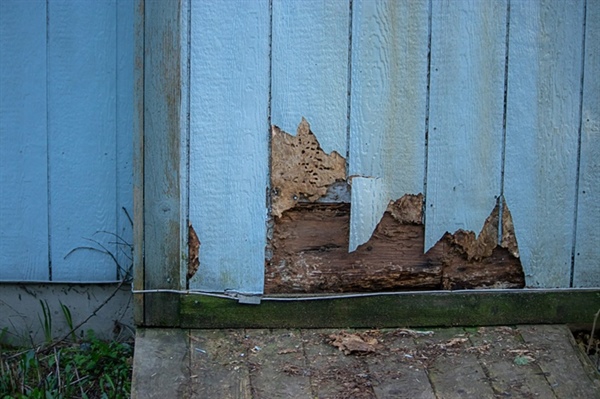
Water intrusion behind siding is one of the most common yet overlooked issues homeowners face. It often develops quietly, hidden beneath the surface until visible damage begins to appear on the exterior of the home. By the time interior symptoms emerge, structural components may already be compromised. Understanding the early exterior warning signs can help prevent costly repairs and preserve both the appearance and durability of your home’s exterior.
At Steve Gentry Construction, homes throughout Rochester are exposed to a wide range of weather conditions, making siding performance critical to long-term protection. In this article, we’ll explore how discoloration, structural movement, surface growth, and material failure can all point to moisture problems beneath your siding. Each section breaks down key indicators that signal water intrusion and explains why timely evaluation matters.
Siding Discoloration and Staining as Indicators of Hidden Water Damage
Discoloration on exterior siding is often one of the first visible signs that moisture is present behind the material. When water penetrates siding systems, it can carry dirt, tannins, or minerals to the surface, resulting in streaking or uneven coloration. In wood-based siding products, this frequently appears as dark streaks or blotchy areas caused by moisture activating natural compounds within the material. Vinyl siding may show chalking or dull patches where water has repeatedly collected and evaporated.
Staining patterns can also reveal how water is entering the structure. Vertical streaks beneath windows or rooflines often point to improper flashing or drainage issues, while irregular patches may indicate trapped moisture within the wall assembly. These patterns are not random; they typically follow the path water takes as it moves behind the siding and exits through seams or joints.
In many cases, persistent staining correlates with prolonged exposure to moisture, which can degrade underlying sheathing and framing. Materials designed to remain dry begin to break down when repeatedly saturated, leading to long-term structural concerns. Evaluating discoloration early allows for targeted inspection before hidden damage spreads.
Warping, Buckling, and Loose Siding Panels as Signs of Moisture Intrusion
Siding materials are designed to remain stable under normal environmental conditions, but excess moisture can disrupt that stability. Warping occurs when materials absorb water unevenly, causing them to expand and distort. This is particularly common in wood and engineered siding products, where prolonged exposure to moisture alters the internal structure of the material.
Buckling and panel displacement often indicate that moisture has affected not just the siding itself but also the underlying support system. When water infiltrates behind siding, it can weaken fasteners, corrode nails, or cause the substrate to swell. As a result, panels may shift out of alignment or detach from the wall surface. These physical changes are not cosmetic issues; they signal that the integrity of the exterior system has been compromised.
Loose panels also create additional entry points for water, accelerating the cycle of intrusion and damage. Once gaps form, wind-driven rain can penetrate more easily, increasing the likelihood of widespread moisture infiltration. Addressing these structural changes promptly is critical to preventing further deterioration.
Gaps, Cracks, and Failed Caulking as Entry Points for Water Behind Siding
Exterior siding systems rely on tight seals and proper joint construction to prevent water infiltration. Gaps and cracks, whether caused by material aging, thermal expansion, or installation issues, provide direct pathways for moisture to enter the wall assembly. Even small openings can allow significant water intrusion during heavy rain or snowmelt.
Caulking plays a critical role in sealing joints around windows, doors, and transitions between materials. Over time, caulking can dry out, crack, or separate from surfaces, reducing its effectiveness. Failed caulking is one of the most common contributors to hidden water damage because it often goes unnoticed until more severe symptoms appear.
When water enters through these compromised areas, it can become trapped behind the siding, especially in systems without proper drainage planes. This trapped moisture increases the risk of rot, insulation damage, and reduced energy efficiency. Regular inspection of seams and sealants helps identify vulnerabilities before they lead to deeper structural issues.
Mold, Mildew, and Algae Growth as Warning Signs of Moisture Problems
Biological growth on exterior surfaces is a clear indicator of persistent moisture conditions. Mold and mildew thrive in damp environments, and their presence on siding often signals that water is not properly draining or drying. These organisms typically appear as dark spots, green patches, or fuzzy growth along shaded or moisture-prone areas of the home.
Algae growth, commonly seen as green or black streaks, often develops in areas where water runoff is frequent or where humidity remains high. While algae itself may not damage siding materials directly, it indicates that conditions are favorable for moisture retention, which can affect underlying components.
The presence of these growths suggests that moisture may be accumulating behind the siding as well. When organic growth is visible on the surface, it is often accompanied by hidden moisture within the wall system. This can lead to degradation of structural materials and potential health concerns if mold spreads into interior spaces.
When to Investigate or Repair Siding to Prevent Structural Damage
Timely investigation is essential when exterior signs of water intrusion appear. Homeowners should begin evaluation as soon as discoloration, warping, or biological growth becomes noticeable. Waiting for interior symptoms such as peeling paint or musty odors often means the damage has already progressed beyond the exterior layer.
Environmental factors such as heavy rainfall, freeze-thaw cycles, and seasonal temperature changes can accelerate siding deterioration. Homes in climates like Rochester are particularly vulnerable due to repeated exposure to moisture and temperature fluctuations. Regular inspections following major weather events can help identify emerging issues early.
Understanding when to act is key to preventing structural damage. Early intervention allows for localized repairs, while delayed action may require extensive replacement of siding, sheathing, and framing components. For more information or professional evaluation, homeowners can reference Steve Gentry Construction for guidance on maintaining exterior systems and addressing moisture-related concerns.
At Steve Gentry Construction, we take pride in helping homeowners protect what matters most. When you start noticing discoloration, warping, gaps, or organic growth on your siding, these are not just surface issues—they are warning signs that your home may be dealing with hidden water intrusion. Our team has decades of experience identifying these problems and addressing them with precision and care.
We understand how Minnesota’s climate impacts exterior materials. From diagnosing subtle staining patterns to evaluating structural movement in siding panels, we approach every project with attention to detail and proven expertise. If you’re unsure whether your siding is performing as it should, we’re here to help you get clear answers and reliable solutions.
Give us a call at 507-208-4501 or contact us today to schedule an inspection. We treat your home like it’s our own, making sure your exterior remains strong, secure, and built to withstand the elements.