What Causes Shingle Granule Loss, and When Should Homeowners Worry?
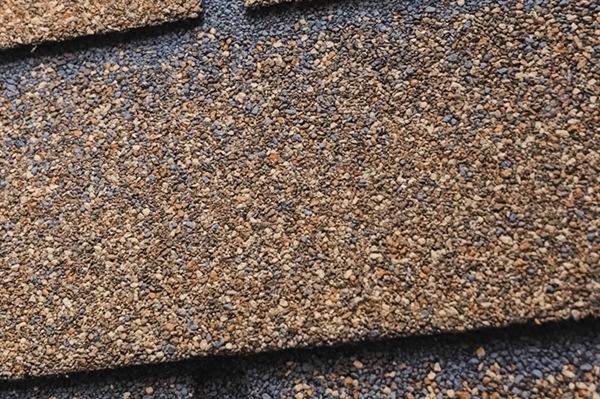
Asphalt shingles are designed to protect your home from harsh weather, temperature swings, and long-term environmental exposure. One of the most critical components of these shingles is the layer of granules that coats their surface. These granules serve as a protective barrier against ultraviolet rays, moisture, and physical wear. Over time, it’s normal for some granule loss to occur, but understanding what causes this process—and when it becomes a problem—is key to maintaining the integrity of your roof. Homeowners in Rochester and beyond often notice granules accumulating in gutters or around downspouts, raising questions about whether this is routine aging or a sign of deeper damage.
At Steve Gentry Construction, roofing systems are viewed as long-term investments that require careful attention to detail and performance over time. This article explores the underlying causes of granule loss and helps homeowners distinguish between expected wear and warning signs that demand action. We’ll examine how aging affects shingles, how weather events accelerate deterioration, and how to identify early indicators of damage. You’ll also learn how granule loss impacts roof lifespan and when it may signal the need for repairs or replacement. For additional insight into material performance, review this overview of shingle roofing systems and how they function under real-world conditions.
Natural Aging Processes That Cause Asphalt Shingles to Lose Granules
Granule loss is an inherent part of the aging process for asphalt shingles. These granules are embedded into the asphalt layer during manufacturing and are designed to protect the underlying material from ultraviolet radiation and environmental stress. Over time, thermal cycling—repeated expansion and contraction caused by temperature fluctuations—gradually weakens the bond between the granules and the asphalt substrate. This leads to slow, consistent shedding, especially in older roofing systems.
Another contributing factor is oxidation. Asphalt contains hydrocarbons that break down when exposed to oxygen and sunlight. As oxidation progresses, the shingles become more brittle, reducing their ability to hold granules in place. This is particularly evident in roofs that have exceeded 15–20 years of service, where the loss of flexibility leads to surface degradation. The protective granule layer thins, exposing the asphalt to direct UV exposure and accelerating deterioration.
Manufacturing variances can also influence how quickly granules are lost. While high-quality shingles are engineered for durability, even the best materials experience gradual wear. Homeowners often notice minor granule accumulation in gutters during the first year after installation, which is typically excess material from production rather than damage. Over time, however, continued loss signals the natural progression toward the end of the roof’s service life, especially in standard shingle roofing systems.
How Weather Conditions Accelerate Shingle Granule Loss
Weather plays a major role in accelerating granule loss beyond normal aging. Hail impacts are one of the most damaging events, as they can dislodge granules instantly and expose the asphalt layer beneath. Even small hailstones create micro-fractures that weaken the shingle surface, leading to progressive granule shedding long after the storm has passed.
Wind is another critical factor. High winds can lift shingles, breaking the adhesive seal and causing friction between overlapping layers. This mechanical stress loosens granules, especially along edges and ridges where wind forces are strongest. Over time, repeated wind exposure contributes to uneven wear patterns and localized deterioration.
Ultraviolet radiation is a constant and cumulative threat. Prolonged sun exposure degrades the asphalt binder, reducing its ability to retain granules. In climates with significant seasonal variation, such as Minnesota, the combination of UV exposure, freeze-thaw cycles, and moisture infiltration creates a compounded effect that accelerates surface breakdown and shortens the effective lifespan of roofing materials.
Early Warning Signs That Granule Loss Is Leading to Roof Damage
One of the earliest indicators of problematic granule loss is the presence of excessive granules in gutters or at the base of downspouts. While small amounts are normal, consistent accumulation suggests active surface degradation. This is often accompanied by visible bald spots on shingles, where the asphalt layer is exposed and vulnerable to environmental damage.
Discoloration is another key sign. Areas where granules have worn away may appear darker or uneven compared to the surrounding roof surface. These patches indicate reduced UV protection and increased susceptibility to cracking and moisture intrusion. Over time, these exposed areas can develop into leaks or structural weaknesses.
Close inspection may also reveal curling, cracking, or blistering shingles. These conditions often occur alongside granule loss and signal that the material is no longer performing as intended. Identifying these warning signs early allows for timely intervention before more extensive damage occurs.
Impact of Granule Loss on Roof Lifespan and Performance
Granules serve as the first line of defense against environmental exposure. When they are lost, the underlying asphalt becomes directly exposed to sunlight, leading to accelerated aging. This reduces the overall lifespan of the roof by increasing the rate at which the material deteriorates.
Performance is also compromised. Without adequate granule coverage, shingles lose their ability to reflect UV rays and regulate temperature. This can result in higher heat absorption, which further weakens the roofing system and contributes to thermal stress. Over time, this leads to reduced energy efficiency and increased strain on the structure.
Water resistance is another critical factor. Granule loss can create pathways for moisture to penetrate the shingle surface, especially when combined with cracks or mechanical damage. This increases the risk of leaks, mold growth, and structural issues within the home. Maintaining granule integrity is essential for preserving both the durability and functionality of the roof.
When Granule Loss Indicates the Need for Roof Repair or Replacement
Granule loss becomes a serious concern when it is widespread or accompanied by visible damage. Isolated areas of wear may be addressed with targeted repairs, but extensive loss across large sections of the roof often indicates that the system is nearing the end of its service life.
Age is a critical factor in determining the appropriate response. Roofs that are 20 years or older and exhibit significant granule loss typically require replacement rather than repair. At this stage, the structural integrity of the shingles is compromised, and patchwork solutions are unlikely to provide long-term reliability.
Professional evaluation is essential in these situations. A thorough inspection can determine whether the damage is localized or systemic and identify underlying issues such as moisture infiltration or structural wear. For homeowners seeking guidance, contacting Steve Gentry Construction provides access to experienced roofing professionals who understand how to assess and address granule loss effectively.
At Steve Gentry Construction, we take pride in helping homeowners understand what’s happening with their roof and what steps make the most sense moving forward. Whether you’re seeing early signs of granule loss or dealing with widespread wear, we provide clear answers based on real experience and proven roofing practices. From identifying natural aging to evaluating storm-related damage, our team works with you to determine the right approach for your home.
We handle everything from detailed roof inspections to full replacements, using materials and techniques designed to perform in Minnesota’s demanding climate. If you’ve noticed granules in your gutters, discoloration on your shingles, or signs of reduced performance, it’s worth having a professional assessment to prevent further damage.
Reach out to Steve Gentry Construction at 507-208-4501. You can also contact us online to schedule an inspection and get expert guidance tailored to your roof’s condition.