Top Kitchen Layout Mistakes to Avoid in Your Remodel
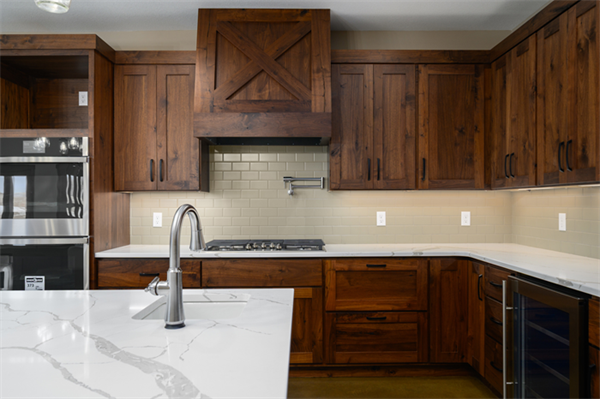
Kitchen remodels often focus on finishes and appliances, but layout decisions have a far greater impact on how a kitchen actually functions. Poor planning at the layout stage can lead to daily frustrations such as wasted steps, blocked walkways, cramped work zones, and storage that never quite works. These problems are difficult and costly to correct after construction is complete, which makes understanding common kitchen layout mistakes a critical part of the remodeling process.
Many of the most common errors stem from workflow issues, oversized or poorly placed islands, and a lack of attention to clearances around appliances and work zones. This article examines the most frequent layout mistakes homeowners make during a remodel and explains why they create long-term usability problems. Drawing on real-world construction experience and industry design standards used by Steve Gentry Construction, each section breaks down a specific issue so readers can better evaluate their own kitchen plans before moving forward with kitchen remodeling.
Poor Kitchen Workflow and Work Triangle Design
The kitchen work triangle remains one of the most widely accepted principles in residential kitchen design. It focuses on the relationship between the sink, stove, and refrigerator, which account for the majority of movement during meal preparation. When these three elements are placed too far apart, too close together, or blocked by cabinetry or islands, the result is unnecessary walking, congestion, and inefficient use of space.
A common mistake occurs when remodels prioritize visual symmetry or appliance upgrades without re-evaluating workflow. For example, placing the refrigerator across a traffic path or isolating the sink far from prep space disrupts natural movement patterns. Industry guidelines recommend that the total distance of the work triangle fall within a defined range to balance efficiency with comfort, and deviations from this range consistently lead to usability complaints.
In many remodels reviewed during kitchen remodeling projects, correcting workflow issues requires rethinking cabinet runs and appliance placement early in the design phase. Once mechanicals and cabinetry are installed, correcting a flawed work triangle often involves structural changes that could have been avoided with proper planning.
Incorrect Kitchen Island Size and Placement
Kitchen islands are frequently oversized or positioned without regard for circulation and appliance access. While islands add storage and seating, an island that is too large can dominate the room, restrict walkways, and interfere with appliance doors. Design standards call for specific clearance distances around islands to maintain safe and functional movement.
Another recurring issue involves placing islands too close to cooking zones. This creates conflicts between people seated at the island and those actively preparing food. When islands double as prep areas, poor placement can also limit access to sinks or dishwashers, forcing awkward movement patterns that reduce efficiency.
Proper island planning accounts for aisle width, seating overhangs, and appliance swing zones. Experienced builders evaluate island size within the full context of the room rather than treating it as a standalone feature, which prevents long-term layout constraints.
Inadequate Clearance and Traffic Flow Issues
Clearance problems are among the most common and disruptive kitchen layout mistakes. Tight walkways between cabinets, islands, and appliances create bottlenecks that make the kitchen difficult to use when more than one person is present. National kitchen design guidelines specify minimum aisle widths based on whether the kitchen is a single-cook or multi-cook space.
Traffic flow issues often arise when kitchens are used as pass-through areas between other rooms. When primary walkways cut directly through work zones, cooks are forced to stop repeatedly to allow others to pass. This not only reduces efficiency but also increases safety risks around hot surfaces and sharp tools.
Clearance planning also includes appliance door swing conflicts. Dishwashers, ovens, and refrigerators must be positioned so they can open fully without blocking walkways or each other. Overlooking these details leads to daily inconvenience that cannot be corrected without major alterations.
Misplaced Appliances That Reduce Functionality
Appliance placement errors often stem from prioritizing aesthetics over use patterns. Wall ovens placed too far from prep areas, microwaves installed at unsafe heights, or dishwashers positioned away from sinks all contribute to inefficient workflows. Each major appliance should support a logical sequence of tasks.
Spacing between appliances also plays a critical role. Placing a refrigerator immediately next to a range limits landing space, while crowding a cooktop between tall cabinets restricts ventilation and movement. Design standards require minimum landing areas on both sides of key appliances to support safe use.
Once appliances are installed, correcting placement issues typically requires cabinet replacement and electrical or plumbing relocation. Reviewing appliance specifications and usage patterns during planning prevents these costly errors.
Insufficient Storage and Counter Space Planning
Storage shortages often result from focusing on cabinet quantity rather than usability. Poor layout decisions can leave corners inaccessible, reduce drawer efficiency, or eliminate valuable counter space near prep zones. Storage must align with how the kitchen is actually used, not just how it looks on a plan.
Counter space planning is equally critical. Prep areas require uninterrupted surfaces near sinks and cooking zones. When counters are broken up by appliances or decorative elements, everyday tasks become inefficient. Industry guidelines outline minimum counter lengths for key work areas, and ignoring these benchmarks leads to clutter and frustration.
Effective planning integrates vertical storage, functional drawer systems, and properly sized work surfaces. Many layout problems stem from underestimating how much space is needed for real-world cooking and storage demands.
Plan Your Kitchen Layout With Proven Construction Experience
A successful kitchen remodel requires more than attractive finishes. It depends on thoughtful layout planning that accounts for workflow, clearances, appliance placement, and storage needs. Steve Gentry Construction applies established design standards and hands-on construction experience to help homeowners avoid costly layout mistakes before they occur.
Based in Rochester, MN, Steve Gentry Construction works closely with homeowners to evaluate kitchen layouts from both a design and build perspective. This approach helps identify issues related to traffic flow, work zones, and long-term functionality early in the process. Their team understands how layout decisions affect daily use long after construction is complete.
Homeowners planning a remodel can speak directly with Steve Gentry Construction at 507-208-4501. To discuss layout planning, design considerations, and construction timelines, visit their contact us page to schedule a consultation.