How Does Delaying Storm Damage Repairs Lead to Bigger Problems Later?
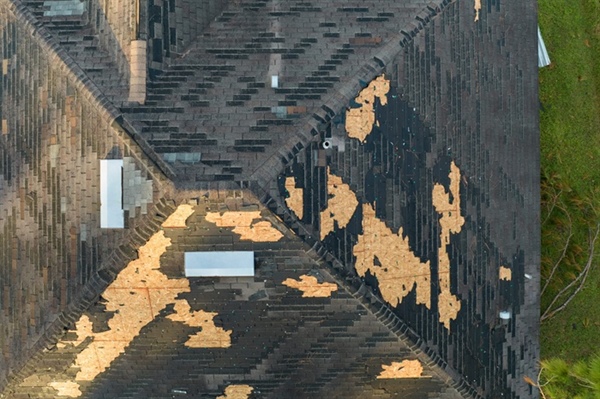
Storm damage doesn’t always look serious at first glance. A few missing shingles, a small leak, or minor siding damage can seem like manageable issues that can wait. However, what many property owners don’t realize is how quickly these seemingly small problems can escalate into much larger and more expensive structural concerns. Weather-related damage often creates hidden vulnerabilities that worsen over time, especially when exposure to moisture, wind, and temperature changes continues unchecked. Understanding why delays lead to bigger complications is critical for protecting both the structure and long-term value of a property.
Steve Gentry Construction has seen how untreated storm damage can evolve from minor surface issues into widespread structural deterioration. Problems that start at the roofline or exterior can move inward, affecting insulation, framing, and even interior living spaces. This article explores how small storm damage can escalate, what hidden issues often go unnoticed, how moisture intrusion creates secondary damage, the financial risks involved, and how delays can affect insurance outcomes. If you’ve ever considered putting off storm damage repair, these insights will clarify why timing plays a critical role in preventing larger problems.
How Minor Storm Damage Can Escalate Into Major Structural Problems Over Time
Small storm-related issues often begin at the outermost layers of a structure, such as roofing materials, flashing, or siding. When these components are compromised, even slightly, they lose their ability to act as a protective barrier against the elements. Wind-driven rain can penetrate beneath lifted shingles, and minor cracks in siding can allow water infiltration. Over time, repeated exposure leads to deterioration of the underlying materials, including roof decking and wall sheathing. This process is gradual but consistent, and without intervention, the structural integrity of the building begins to weaken.
Structural components like rafters, trusses, and wall framing are particularly vulnerable once moisture enters the system. Wood framing absorbs water, leading to expansion, warping, and eventual rot. This can alter load distribution across the structure, increasing the risk of sagging roofs or uneven walls. In colder climates, freeze-thaw cycles further accelerate damage by expanding trapped moisture, creating larger cracks and separations within materials.
Delayed action also allows environmental exposure to compound the issue. Ultraviolet radiation, temperature fluctuations, and additional storms continue to degrade already weakened materials. Over time, what began as a localized issue can spread across larger sections of the structure. Addressing concerns early through proper storm damage repair is a critical step in preventing these progressive structural failures.
Hidden Storm Damage That Worsens When Repairs Are Delayed
Not all storm damage is immediately visible. In many cases, the most serious issues develop beneath the surface. Roof underlayment damage, compromised flashing around vents and chimneys, and loosened fasteners are common examples of hidden damage that can worsen over time. These components are essential for maintaining a watertight envelope, and when they fail, water infiltration becomes inevitable.
Insulation systems are also highly susceptible to hidden damage. Once moisture enters attic spaces or wall cavities, insulation can become saturated, losing its thermal resistance and creating conditions for further moisture retention. This not only reduces energy efficiency but also accelerates degradation of surrounding materials. Electrical systems located within these areas may also be exposed to increased humidity, raising the risk of corrosion or malfunction.
Foundation-level impacts can occur as well. Poor drainage caused by damaged gutters or downspouts can direct water toward the base of the structure. Over time, this can lead to soil erosion, foundation settling, or basement leaks. Hidden damage often progresses unnoticed until symptoms become severe, making early identification and mitigation essential for long-term structural stability.
How Moisture Intrusion Leads to Mold Growth and Interior Damage
Moisture intrusion is one of the most significant consequences of untreated storm damage. When water enters through compromised roofing or exterior materials, it creates an environment conducive to mold growth. Mold spores are naturally present in the air, but they require moisture and organic material to thrive. Once these conditions are met, colonies can develop within 24 to 48 hours.
Interior materials such as drywall, wood framing, and insulation provide ideal surfaces for mold proliferation. As mold spreads, it breaks down organic materials, weakening structural components and causing visible damage such as staining, warping, and deterioration. In addition to structural concerns, mold growth can impact indoor air quality, leading to potential health risks for occupants.
Moisture intrusion also affects finishes and interior systems. Flooring materials can warp or buckle, paint may peel, and ceiling structures can sag under the weight of accumulated water. Over time, repeated exposure exacerbates these issues, requiring more extensive repairs. Addressing moisture pathways early is essential to prevent widespread interior damage and maintain a safe living environment.
Financial Risks of Postponing Storm Damage Repairs
Delaying storm damage repairs often leads to significantly higher costs over time. What could have been addressed as a minor repair can escalate into a large-scale restoration project involving multiple systems within the structure. Structural repairs, mold remediation, insulation replacement, and interior reconstruction can quickly accumulate into substantial expenses.
Energy inefficiency is another financial consequence. Damaged insulation and compromised building envelopes allow conditioned air to escape, increasing heating and cooling costs. Over time, these inefficiencies contribute to higher utility bills, adding an ongoing financial burden beyond the initial damage.
Property value can also be affected. Visible signs of damage or unresolved structural issues can reduce market appeal and lead to lower appraisal values. Buyers and inspectors often identify deferred maintenance as a risk factor, which can complicate transactions or result in reduced offers. Addressing damage promptly helps preserve both the structural integrity and financial value of the property.
Impact of Delayed Repairs on Insurance Claims and Coverage
Insurance policies typically require property owners to take reasonable steps to prevent further damage after a loss occurs. When repairs are delayed, insurers may determine that additional damage resulted from neglect rather than the original storm event. This distinction can lead to partial claim denials, where only the initial damage is covered, leaving the property owner responsible for subsequent repairs.
Documentation plays a critical role in the claims process. Timely inspections and repairs help establish a clear timeline of events, supporting the validity of a claim. Without prompt action, it becomes more difficult to differentiate between storm-related damage and deterioration caused by prolonged exposure. This can complicate the claims process and extend resolution timelines.
Coverage eligibility may also be affected in the future. Properties with a history of deferred maintenance or unresolved damage may face higher premiums or limited coverage options. Working with experienced professionals and maintaining proper documentation through resources like Steve Gentry Construction helps ensure that properties remain compliant with insurance requirements and better protected against future claims challenges.
Professional Storm Damage Repair Services in Missouri
At Steve Gentry Construction, we understand how quickly storm damage can escalate when left unaddressed. Our team works directly with property owners to identify both visible and hidden damage, ensuring every issue is properly documented and addressed. From roofing systems to structural components, we focus on restoring integrity while preventing long-term complications.
Our experience with storm damage, insurance processes, and structural restoration allows us to provide clear guidance at every stage. We take pride in helping property owners navigate repairs efficiently while protecting the value of their investment.
If your property has experienced storm damage, don’t wait for minor issues to become major problems. Reach our team today through our contact us page to schedule an inspection and get the process started.